

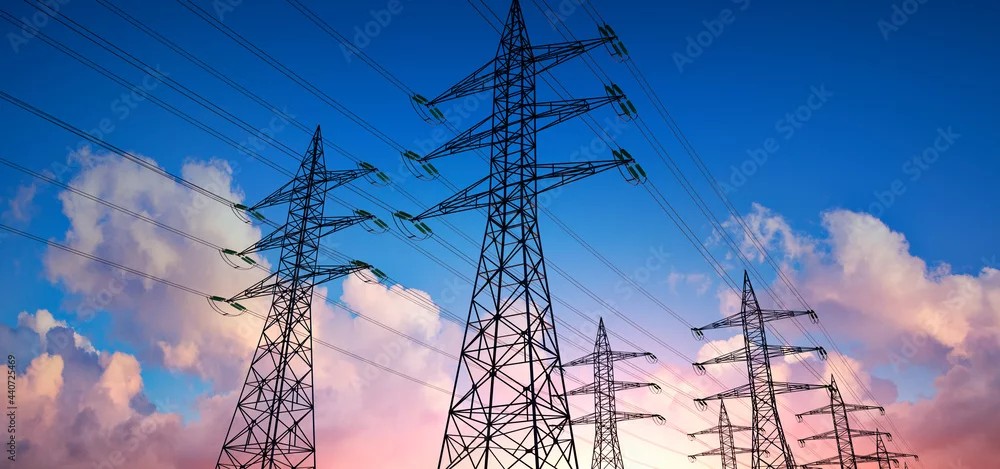
Nationwide Blackout As National Grid Suffers Total Collapse
•By Admin
ABUJA – THERE may be a nationwide blackout as the country experienced its first major national grid collapse of 2026 on Friday, January 23, plunging large parts of the country into darkness and disrupting electricity supply to millions of households and businesses.
The Nigerian Independent System Operator (NISO) confirmed in a press release that a system-wide disturbance occurred at approximately 12:40 hours (local time), resulting in a complete outage across the interconnected national grid.
Preliminary reports indicate that the incident involved the simultaneous tripping of multiple 330kV transmission lines and the disconnection of several grid-connected generating units, which collectively led to the system collapse.
Power generation reportedly dropped dramatically from levels above 4,000 megawatts (MW) to as low as 20-24 MW in the immediate aftermath, with load allocation to all 11 electricity distribution companies (DisCos) falling to zero around 1:00 p.m.
This marked a total blackout for much of the country, the first such event recorded in the new year.
Meanwhile, NISO said that restoration efforts began swiftly at about 13:15 hours, following standard grid recovery procedures.
As of the latest update from NISO on January 23, 2026, electricity supply had been successfully restored to key areas including Abuja, Osogbo, Benin, Onitsha, Sakete, Jebba, Kainji, Shiroro, and parts of Lagos.
According to the operator, restoration was ongoing progressively in other regions, with some reports indicating partial recovery in select feeders by late afternoon.
NISO emphasized that a detailed investigation into the root causes and contributing factors is currently underway.
The operator assured that full grid restoration and stabilization as its top priority.
The collapse comes less than a month after a similar incident in late December 2025, renewing public concerns over the recurring instability of Nigeria’s power infrastructure.
Frequent grid disturbances have long been attributed to factors such as aging transmission lines, inadequate maintenance, and operational challenges, though NISO has not yet specified the exact trigger for Friday’s event.
Residents and businesses in affected areas, including major cities, reported significant disruptions, with some distribution companies noting that limited available power during early recovery phases was prioritized for higher-priority (Band A) feeders.
NISO assured the public that efforts to bring the entire system back online remain active, with updates expected as restoration progresses.