

Ex-UCH CMD, Temitope Alonge Advocates PPP To Improve Healthcare
•••Launches Osteoporosis, Bone Health Centre In Ibadan
•By OYENIYI AWOJOODU
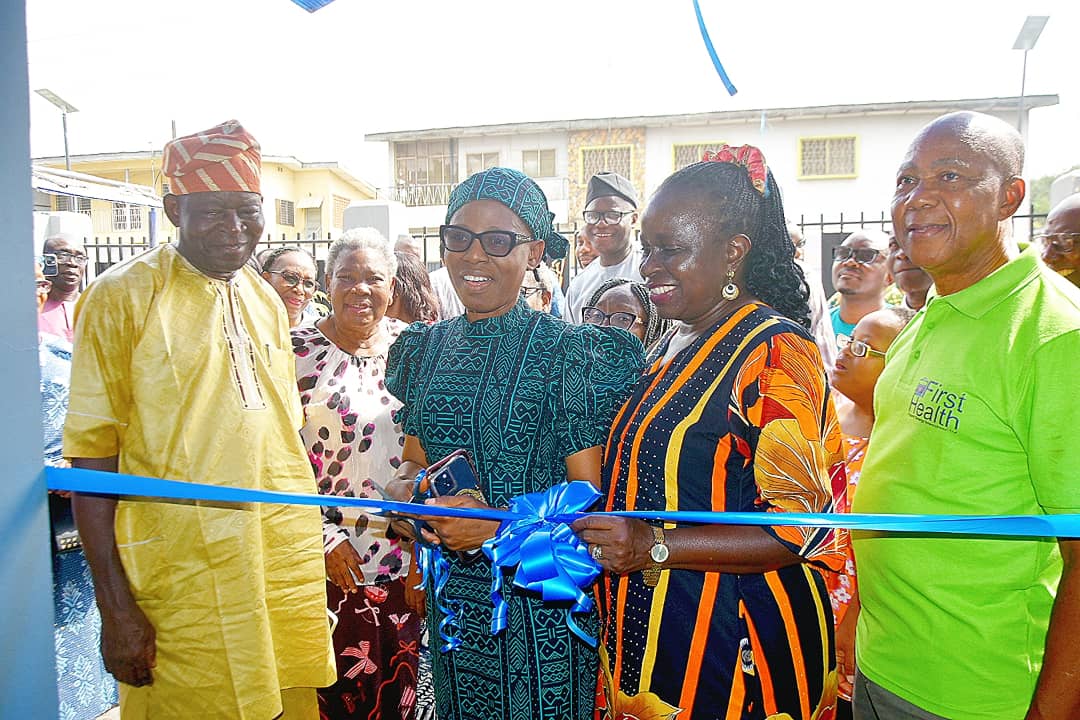
IBADAN — OYO State has recorded a major milestone in specialized healthcare delivery with the establishment of its first Centre for Osteoporosis and Bone Health in Ibadan.
The facility was founded by former Chief Medical Director of the University College Hospital (UCH), Ibadan, Temitope Alonge, to address the growing burden of osteoporosis and other bone-related conditions, particularly among the elderly.
Speaking at the official commissioning of the centre in Ibadan, Prof. Alonge, who serves as the Chief Executive Officer advocated stressed the need for stronger collaboration between government and private healthcare providers to make osteoporosis screening and treatment more accessible.
While acknowledging funding challenges in Nigeria’s health sector, he advocated for public-private partnerships and improved health insurance coverage to support elderly care.
“No government budget alone can solve Nigeria’s health challenges. There must be integration of the private sector. Health insurance is critical the rich help subsidize care for the poor,” he noted.
Prof. Alonge also encouraged political leaders and community stakeholders to sponsor bone health screening for elderly constituents rather than spending resources on less impactful ventures.
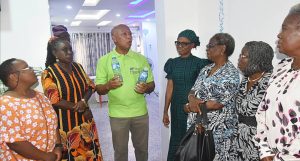
He also maintained that the initiative was borne out of the urgent need to improve awareness, diagnosis, and treatment of osteoporosis in Nigeria.
According to him, bone health remains poorly understood by many Nigerians, despite its critical role in overall wellbeing.
“People see bone merely as the framework of the body, but it is a vital organ and the largest store of minerals such as calcium. Bone formation and resorption occur continuously in a process known as remodeling. When this balance is disrupted, especially with aging, it leads to bone weakness,” he explained.
Prof. Alonge disclosed that a study conducted at UCH involving over 2,000 patients revealed that osteoporosis was rare below the age of 40 but increased significantly from age 50 upward, with higher prevalence among individuals aged 60 and above.
He noted that women are particularly vulnerable after menopause due to the decline in estrogen levels, which play a protective role in bone formation.
Osteoporosis, he explained, results in fragile bones that are prone to fractures, especially in the wrist, hip, and spine. He added that spinal fractures often lead to height reduction and stooped posture in older individuals.
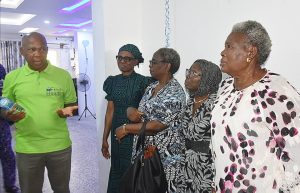
The centre is equipped with advanced diagnostic technology, including a DEXA scan machine for assessing bone mineral density — regarded globally as the gold standard for diagnosing osteoporosis.
Prof. Alonge emphasized that treatment options vary depending on severity and patient capacity.
These include oral medications, injections, and intravenous therapies.
He also highlighted the importance of proper nutrition, particularly adequate intake of calcium, Vitamin D3, and Vitamin K2 to enhance calcium absorption and bone integration.
“Prevention is better than cure. The more bone stock you build in your younger years through proper nutrition and exercise, the better protected you are in old age,” he said.
In her remarks, Oyo State Commissioner for Health, Oluwaserimi Ajetunmobi, commended Prof. Alonge for establishing the centre, describing it as timely and beneficial to the aging population.
She noted that elderly individuals are particularly susceptible to bone fragility, which often leads to hip fractures and long-term disability.
“This centre will help assess bone mineral density, provide counseling, and guide elderly persons on preventive measures, supplements, and lifestyle changes necessary to age gracefully,” she said.
The Commissioner expressed optimism that the facility would reduce the incidence of bone fractures among older residents and improve quality of life.
With increasing life expectancy and a growing elderly population, experts warn that osteoporosis may become a significant public health and economic burden if not proactively addressed.
The establishment of the Centre for Osteoporosis and Bone Health marks a significant step toward specialized geriatric care in Oyo State and Nigeria at large.