

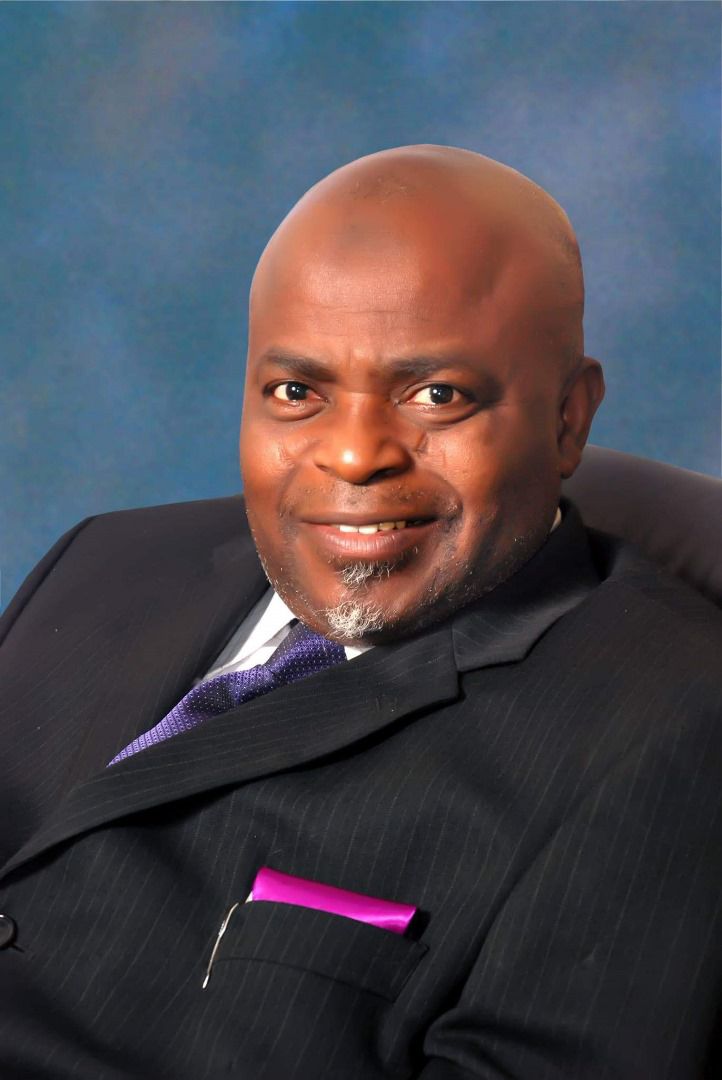
Tinubu’s Benin Intervention Constitutional, Coups Reflect Failed Expectations – Prof. Alabi
•By KAZEEM OYENIYI
IBADAN – A former federal lawmaker and political scholar, Prof. Mojeed Alabi, has defended President Bola Ahmed Tinubu’s decision to deploy Nigerian military assets to the Benin Republic, saying the action falls within the provisions of the 1999 Constitution.*
He also warned that the rising wave of military takeovers in West Africa is a symptom of deep public frustration and unrealistic expectations of government.
Prof. Alabi made these remarks on Tuesday during an in-depth conversation on Frontline, a current affairs programme on Eagle 102.5 FM, Ilese-Ijebu.
Starting with the controversy surrounding President Tinubu’s quick approval for troop deployment after the attempted coup in the Republic of Benin, Prof. Alabi said many critics are misinterpreting the law. According to him, nothing in the Constitution bars the Commander-in-Chief from taking urgent military action during a security emergency.
“What people are quoting is not what the Constitution says,” he explained. “The President does not need approval before he deploys troops. What the Constitution says is that he cannot keep the military on foreign soil for more than seven days without approaching the National Assembly. There is a clear difference.”
Prof. Alabi argued that urgent security situations rarely allow leaders the luxury of legislative consultations. “If you wait for the House to convene, debate and pass a resolution every time a crisis breaks out, no country would survive,” he said. “In global security practice, action usually comes first, followed by formal communication. When Obama authorised the operation against Osama bin Laden, Americans heard about it only after the mission had been completed.”
He added that if Nigerian troops are deployed only to stabilise an unfolding situation, “the next lawful step is for the President to notify the National Assembly. If lawmakers ratify it, the operation continues. If they don’t, the troops are withdrawn. That’s what the Constitution envisages.”
Asked why the government appears slower in responding to internal security issues compared to the rapid intervention in the Republic of Benin, Prof. Alabi cautioned against comparing situations that involve different kinds of threats. “When coup plotters seize a radio station in a capital city, their location is known. Neutralising them is straightforward,” he said. “But bandits and Boko Haram fighters operate inside forests and ungoverned spaces. Tracking them is far more difficult. Even the most advanced countries struggle with guerrilla warfare.”
Turning to the surge in coups across West Africa, the former legislator said the trend reflects the anger and desperation felt by citizens who are dealing with economic hardship and shattered expectations. “These coups are a product of failed hopes,” he said. “Young people believe the military will just walk in today and reduce a bag of rice from 60,000 to 10,000 naira. They didn’t live through the Abacha era, so they romanticise military rule.”
He warned that military governments have historically worsened poverty and inequality. “A civilian president can be changed after four years,” he said. “A bad military ruler gives you no such hope. People forget this too quickly.”
Prof. Alabi also spoke at length about Nigeria’s political culture, which he believes plays a major role in the quality of leadership the country produces. Drawing from his own experience contesting elections, he said the influence of money has grown dramatically over the years.
“In 1999, things were different,” he recalled. “By 2015, a colleague told me he spent almost 6,000 dollars on just one ward. Many people borrow or sell property to contest. When such people win, their first mission is to recover what they spent before they even think about governance.”
He argued that voters share part of the blame. “We complain about leaders,” he said, “but followers also shape the behaviour of leaders. When you collect money to vote, you have sold your right to demand accountability. Politics becomes a transaction, and governance suffers.”
The professor stressed that real change requires deep civic education. “Democracy cannot work when citizens don’t understand their role,” he said. “People want hospitals and roads, yet many still collect money on election day. Institutions, not individuals, drive real development. If the system is weak, even good leaders will struggle.”
*NIGERIA’S ECONOMY AND GOVERNANCE*
On the economy, Prof. Alabi acknowledged the severe hardship Nigerians are facing but said painful reforms often precede recovery. “Nobody is happy with the current situation,” he said. “But when you remove subsidies and restructure revenue systems, prices initially rise. Many prosperous countries passed through this phase.”
He said the government must communicate more clearly to maintain public confidence. “People want to feel that leaders also understand the pain,” he added. “If citizens see genuine efforts to cut waste and fight corruption, they will endure hardship with more patience.”
Asked to identify the biggest obstacle to good governance in Nigeria, Prof. Alabi said the problem lies in “the disconnect between the expectations of leaders and the expectations of followers.” Leaders, he said, often think long term, while citizens think short term.
“Until both sides adjust, we will keep repeating the same cycle,” he warned. “Leaders must prioritise governance, not self-enrichment. Followers must vote with sense, not with stomach. When people stop selling votes, politicians will stop buying them.”
Prof. Alabi concluded by emphasising that Nigeria’s future depends on stronger institutions, honest political engagement and a more informed electorate. “The moment citizens understand their power, Nigeria will move forward faster than many expect,” he said.